What Is Goods To Person (GTP) Technology — And Why Every Australian Warehouse Needs It
Picture your warehouse floor right now. A picker gets an order, grabs a trolley, and walks. They walk to aisle 4, then aisle 11, then back to aisle 3. Then they walk to pack. Then they start again.
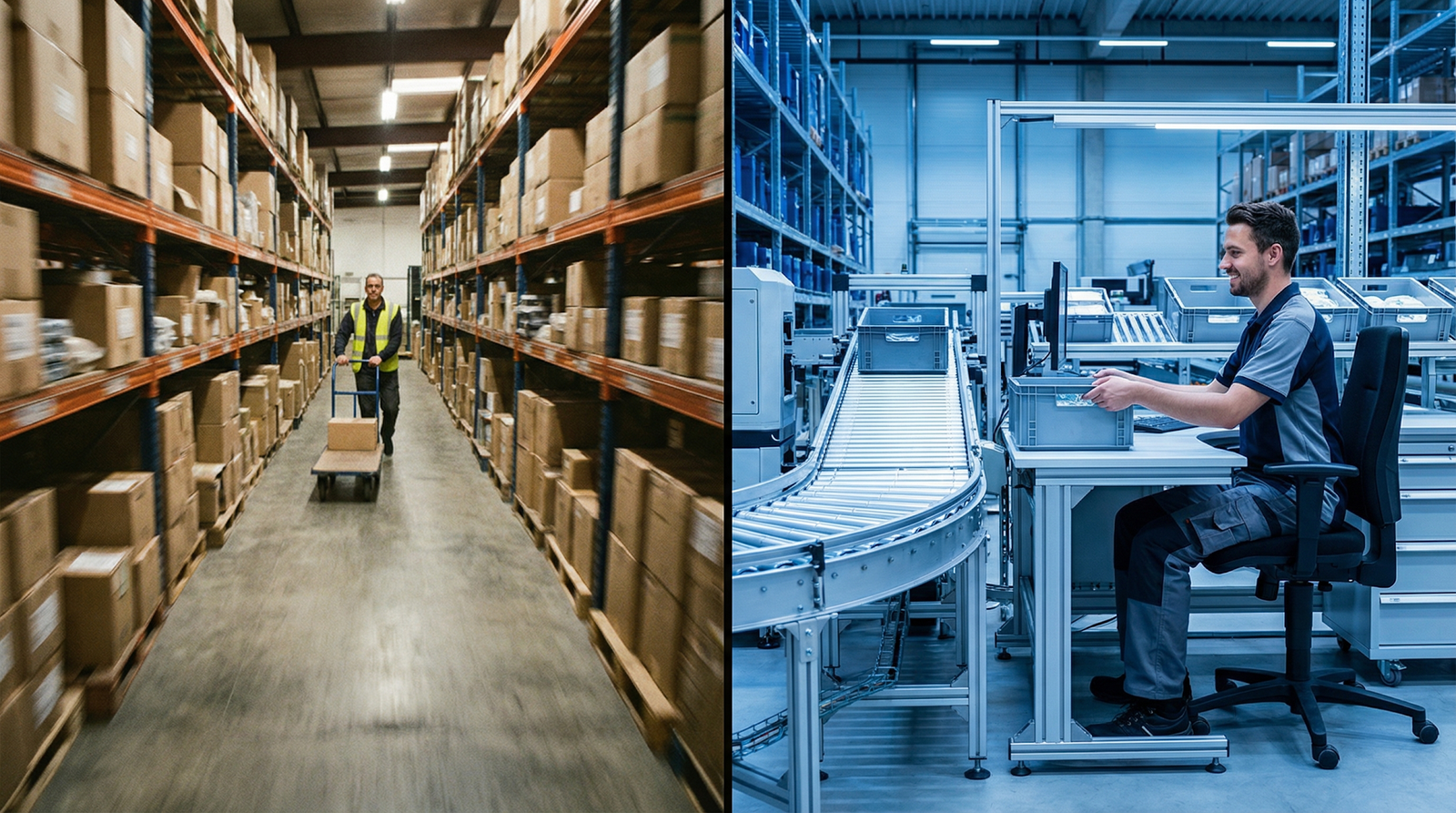
Research consistently shows that in a traditional pick-and-pack warehouse, workers spend up to 60% of their shift walking — and only 40% of their time actually picking product. That’s not a staffing problem. That’s a process problem.
Goods To Person (GTP) technology fixes it at the source.
Goods To Person (GTP) technology is an automated warehouse system that brings inventory directly to the picker — eliminating travel time entirely.
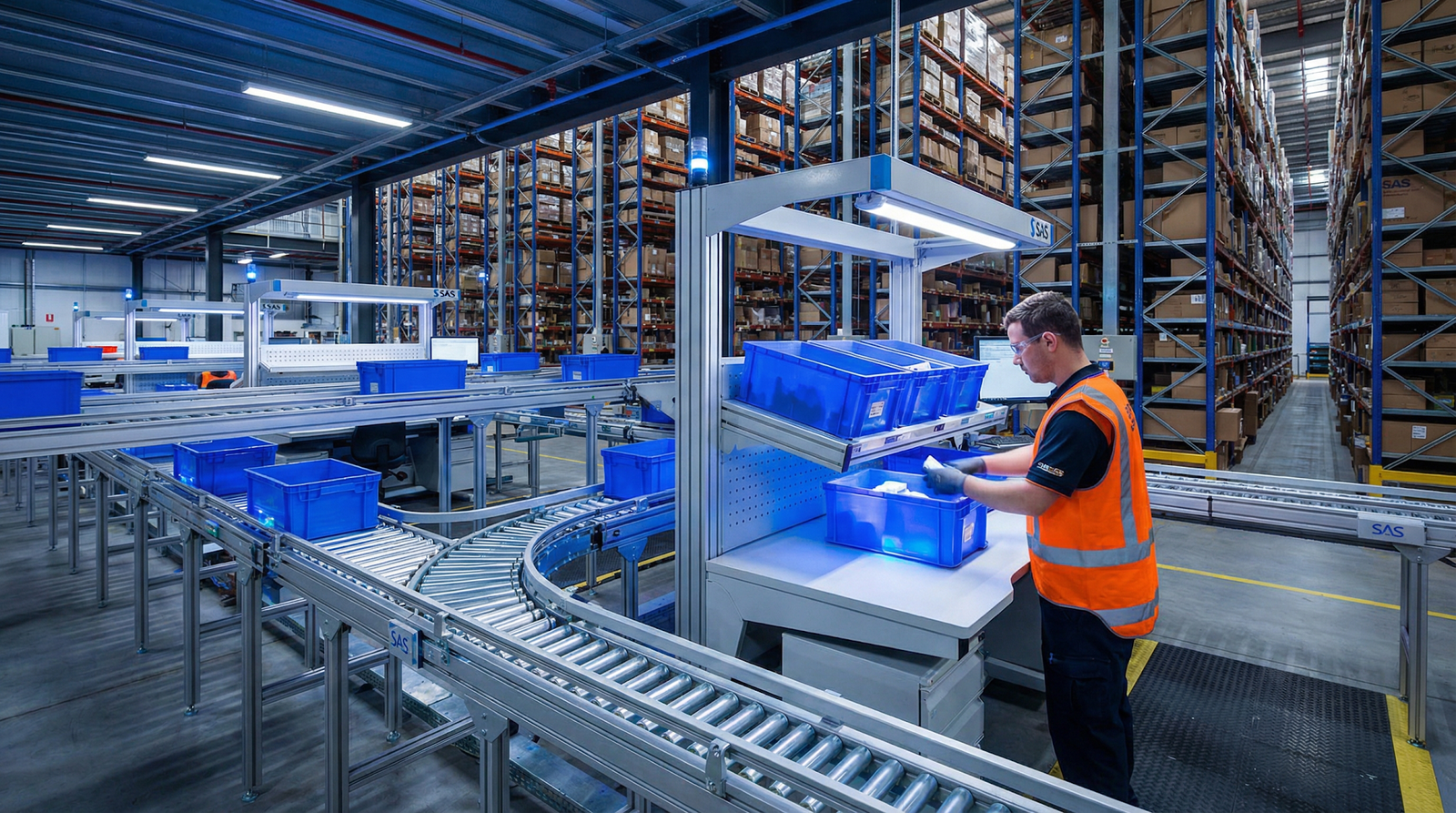
Instead of workers walking to shelves to retrieve items, automated systems move totes, bins, or trays from high-density storage directly to a fixed ergonomic workstation, where the picker selects and packs without taking a single step.
The result: pickers go from spending 40% of their time picking to spending 100% of their time picking — a 150% productivity gain from the same headcount, in the same building.
GTP is not a single technology. It describes a category of solutions that includes:
At Smarter Automated Solutions, we specialise in the OPEX Perfect Pick HD — one of the most high-performance GTP systems available in Australia, capable of delivering up to 1,000 tote presentations per hour, per aisle.
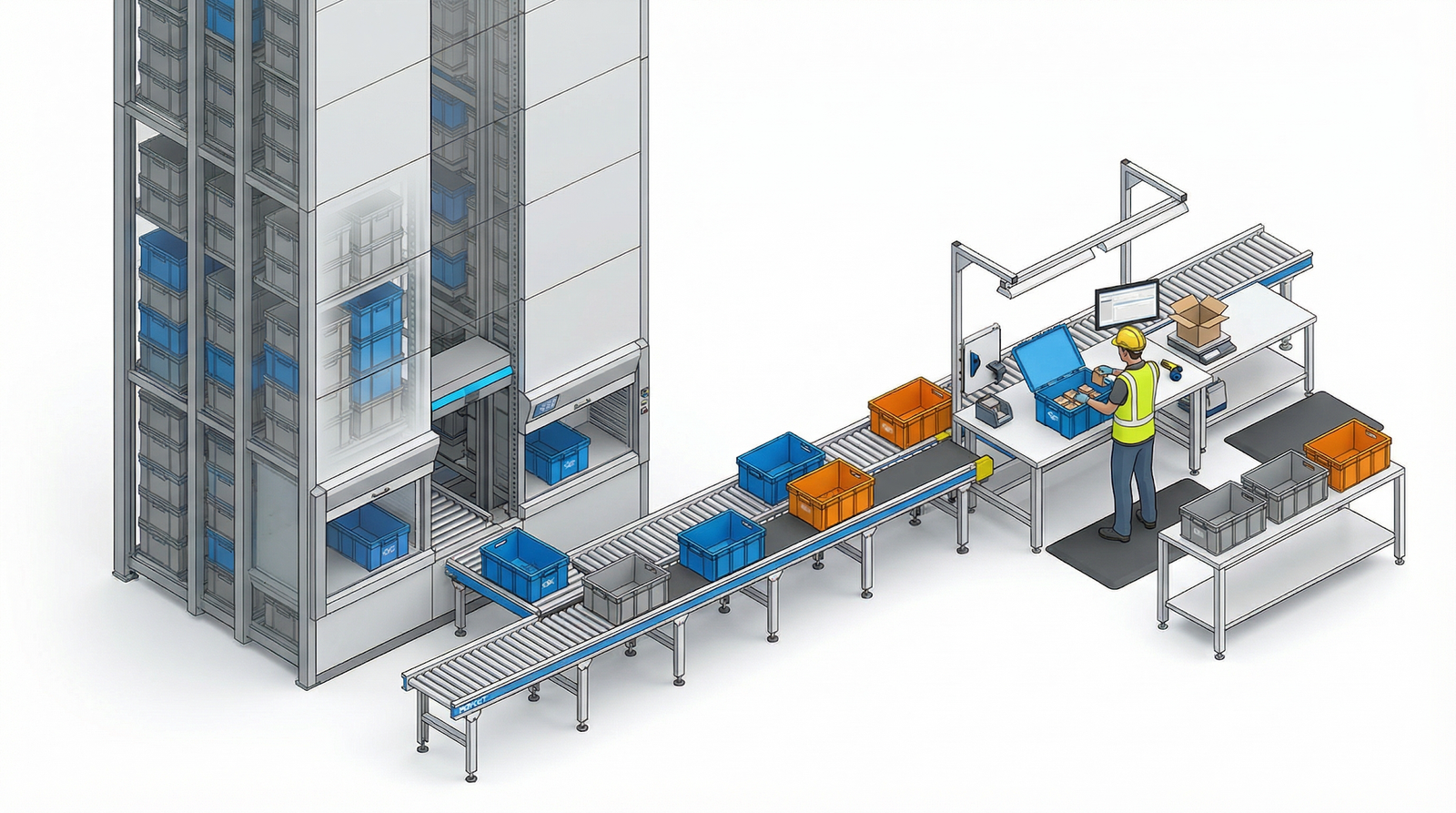
Understanding GTP is simple. Here’s how a typical system operates in a live Australian warehouse:
Step 1 — Order Received
A customer places an order. The Warehouse Management System (WMS) or Warehouse Control Software (WCS) identifies which bin, tote, or carrier holds the required SKU.
Step 2 — Automated Retrieval
The GTP system retrieves the correct container from high-density storage — without a human lifting a finger. The tote travels via conveyor, shuttle, or robotic carrier to the designated pick station.
Step 3 — Guided Picking
The operator receives a prompt — usually a light-directed or screen-guided instruction — telling them exactly what to pick and how many. They confirm, the tote returns to storage, and the next one arrives. The operator never moves from their station.
The cycle time between presentations can be as low as a few seconds, keeping throughput continuous and consistent.
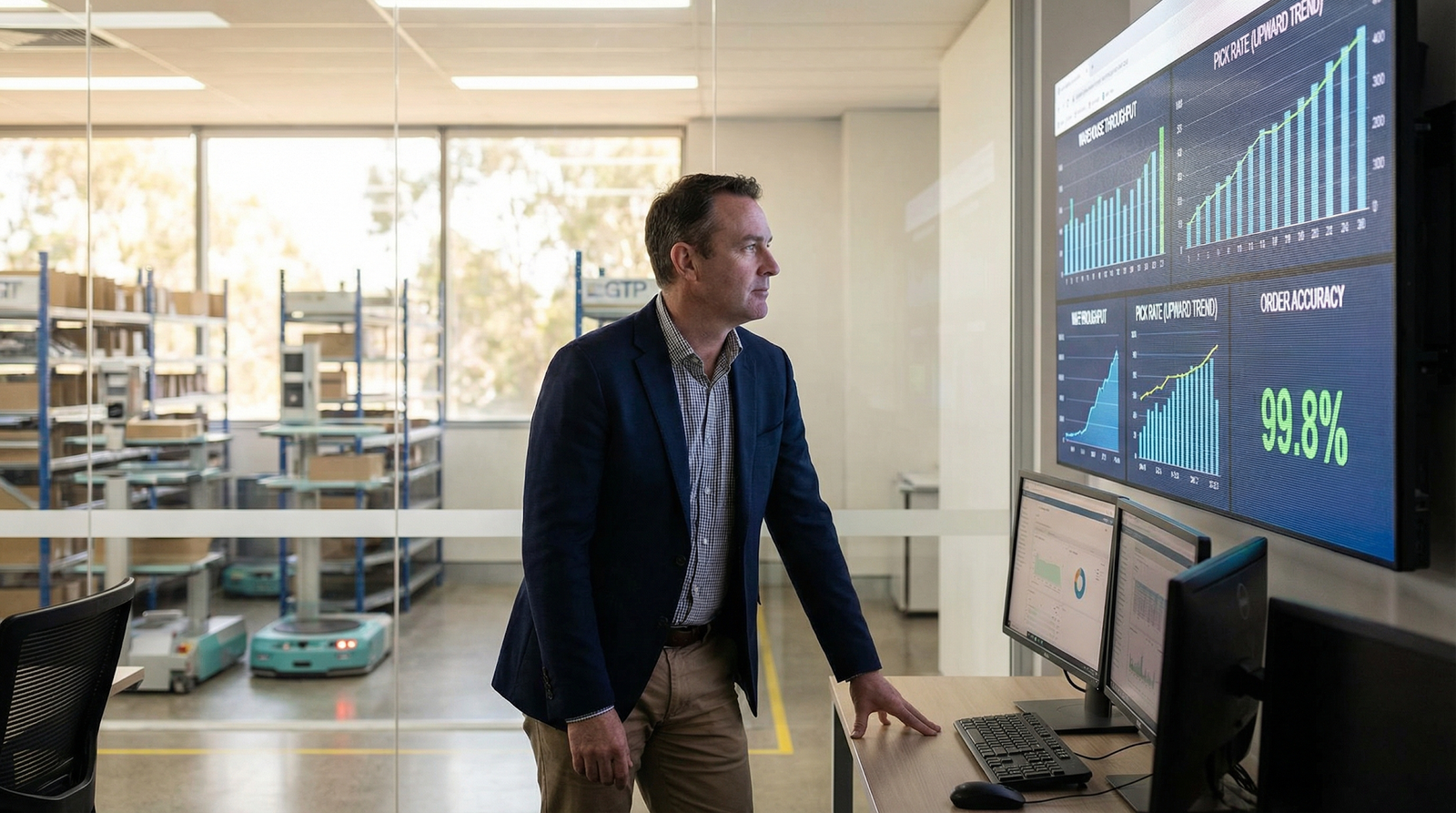
Traditional warehouse picking averages 60–80 lines per hour. GTP systems routinely deliver 200–400+ lines per hour per operator. That’s not incremental improvement — that’s a structural shift in what your facility is capable of.
When the system tells the picker exactly what to take and confirms selection before releasing the tote, human error drops dramatically. GTP systems can reduce mispicks by up to 65%, which means fewer returns, fewer customer complaints, and less rework labour.
GTP systems store inventory in dense vertical configurations — often reaching full ceiling height — with no need for the wide aisles required by forklift or pick trolley access. This improves usable floor space by 60–85%, which in the current Australian industrial property market is not a small consideration.
Repetitive walking, bending, and reaching across long shifts drive musculoskeletal injuries — one of the highest cost-per-claim categories in Australian warehousing. GTP workstations are designed at optimal ergonomic height, with items presented to the operator rather than requiring reaching or bending. This reduces the physical load on your team and reduces your WorkCover exposure.
With GTP, a trained operator at a workstation can be productive in hours rather than days. There’s no requirement to learn the physical layout of the warehouse, memorise locations, or navigate complex pick paths. This makes onboarding faster and labour scaling — particularly during peak periods — far more manageable.
Australia’s warehousing and storage market is valued at USD 7.40 billion in 2025 and is projected to reach USD 8.78 billion by 2030 (IMARC Group). The growth is being driven by:
Importantly, the cost of implementing GTP technology has been falling at approximately 20% per year. What required a large capital commitment five years ago is now accessible to mid-sized Australian operations — and increasingly to smaller distribution centres looking for a competitive edge.
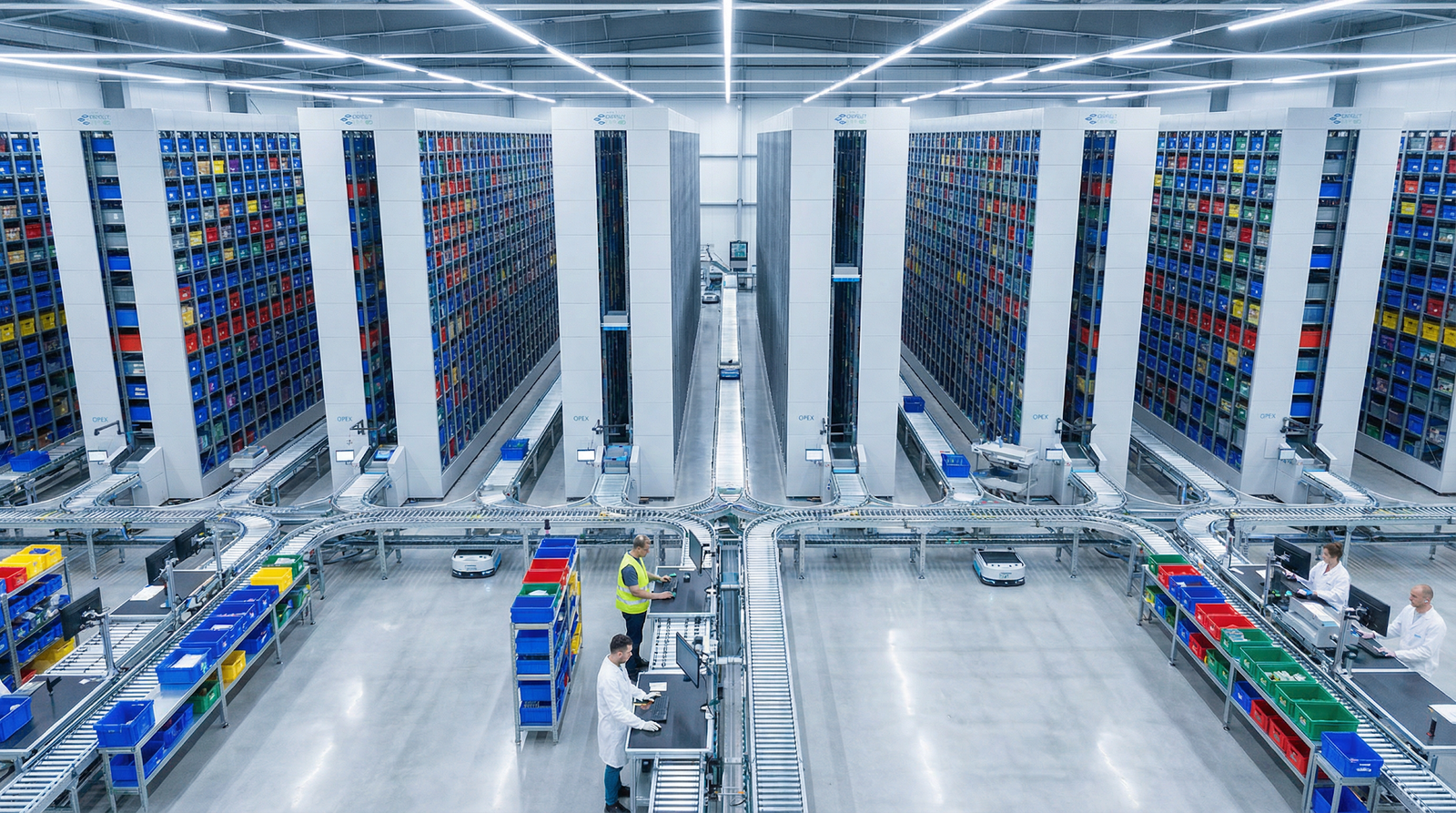
Not all GTP systems are equal. At Smarter Automated Solutions, we partner with OPEX — a world-leading automation manufacturer with decades of engineering behind their products — to deliver the Perfect Pick system to Australian clients.
What makes Perfect Pick different:
Our team brings 80 years of combined industry experience to every implementation — from initial consultancy and facility design through to commissioning, training, and ongoing support. We don’t just supply equipment. We build the solution around your operation.
GTP technology delivers its strongest ROI in operations that meet one or more of these criteria:
If your operation checks two or more of those boxes, GTP is worth a serious conversation.
What does GTP stand for in warehousing?
GTP stands for Goods To Person. It refers to an automated warehouse system where inventory is automatically transported from storage to a fixed operator workstation, eliminating the need for pickers to walk through the warehouse to retrieve items.
How much does a Goods To Person system cost in Australia?
GTP system costs vary depending on the scale of the operation, the number of SKUs, throughput requirements, and system type. Entry-level configurations are increasingly accessible for mid-sized operations, while large enterprise deployments involve significant capital investment. Costs have been declining at approximately 20% per year, improving ROI timelines. The best approach is to request a tailored assessment from a GTP specialist who can model your specific operation.
How long does it take to implement a GTP system?
Implementation timelines depend on facility size, system complexity, and integration requirements. Modular GTP systems can be operational in months rather than years. Smarter Automated Solutions manages the full project lifecycle — from design and procurement through to commissioning — to minimise disruption to live operations.
What is the difference between Goods To Person and Person To Goods?
In a Person to Goods (PTG) system, warehouse operators travel to fixed shelf locations to retrieve inventory. In a Goods To Person (GTP) system, automated technology retrieves inventory and delivers it to the operator. GTP eliminates travel time, which typically accounts for 60% of a picker’s shift, and replaces it with productive picking time.
Can GTP integrate with existing warehouse management software?
Yes. Most modern GTP systems, including the OPEX Perfect Pick, are designed to integrate with leading WMS platforms via standard APIs. The system’s warehouse control software manages inventory locations and bot routing, while your WMS manages order management and fulfilment logic.
What industries benefit most from GTP automation in Australia?
GTP systems are widely used in e-commerce and retail fulfilment, pharmaceutical distribution, FMCG (fast-moving consumer goods), healthcare logistics, and third-party logistics (3PL) operations. Any industry that processes high volumes of small-to-medium orders with diverse SKU ranges is a strong candidate.
Warehouse automation is no longer a question of if — it’s a question of when, and with which system, and with which partner.
Goods To Person technology represents one of the most proven ROI-positive investments an Australian warehouse operation can make. It solves the three biggest problems warehouses face simultaneously: not enough throughput, not enough accuracy, and not enough space.
The OPEX Perfect Pick HD, implemented by Smarter Automated Solutions, brings all three to your facility
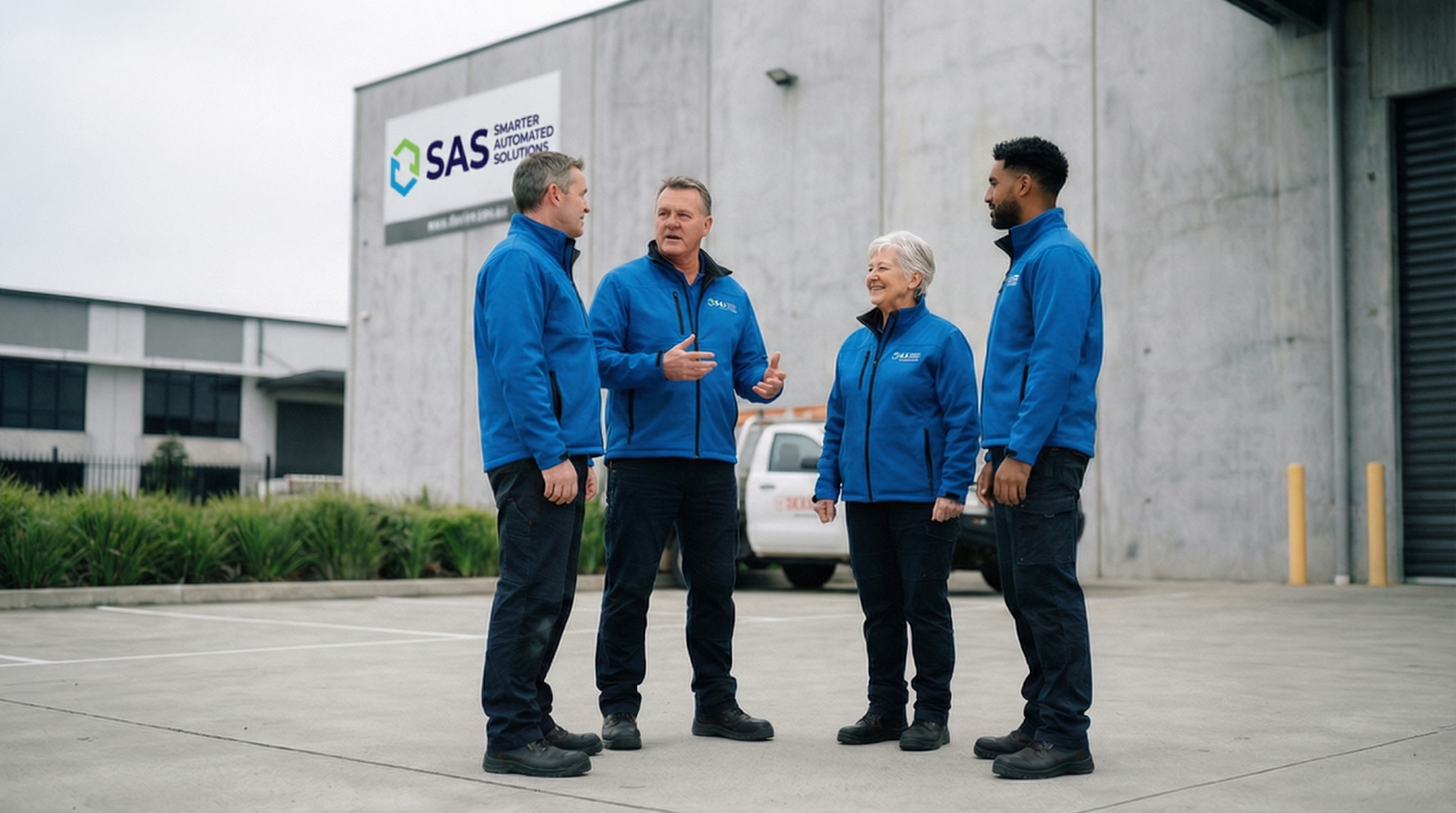
Smarter Automated Solutions (SAS) is a Sydney-based independent warehouse automation integrator — and that independence matters.
Unlike suppliers locked to a single product line, SAS sources best-of-breed technology across the full automation spectrum: Goods To Person systems, automated sorting, conveyor solutions, AGVs, RFID, and customised warehouse management software. Every solution is built around what your operation actually needs — not what a vendor needs to sell.
SAS is dedicated to one outcome: helping Australian businesses increase productivity and profitability through proven automation, smarter software, and lean operating procedures. The team brings 80 years of combined industry experience across consultancy, design, project management, and implementation — so you’re not handed a system and left to figure it out.
From first conversation to live commissioning, SAS manages the entire journey.
Ready to see what GTP could do for your warehouse?
Contact the Smarter Automated Solutions team for a no-obligation assessment of your operation. We’ll model the throughput, space, and ROI impact specific to your facility — so you can make the decision with confidence.
Talk to Our GTP Specialist Glen Urquhart, General Manager
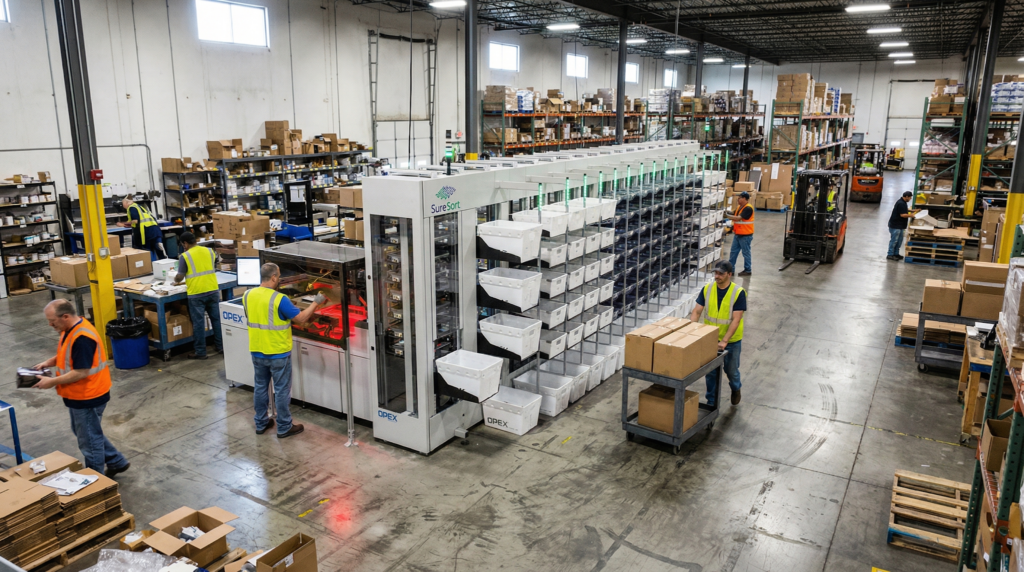
If your warehouse team is still manually sorting items into orders — or relying on outdated put-wall systems...
Read More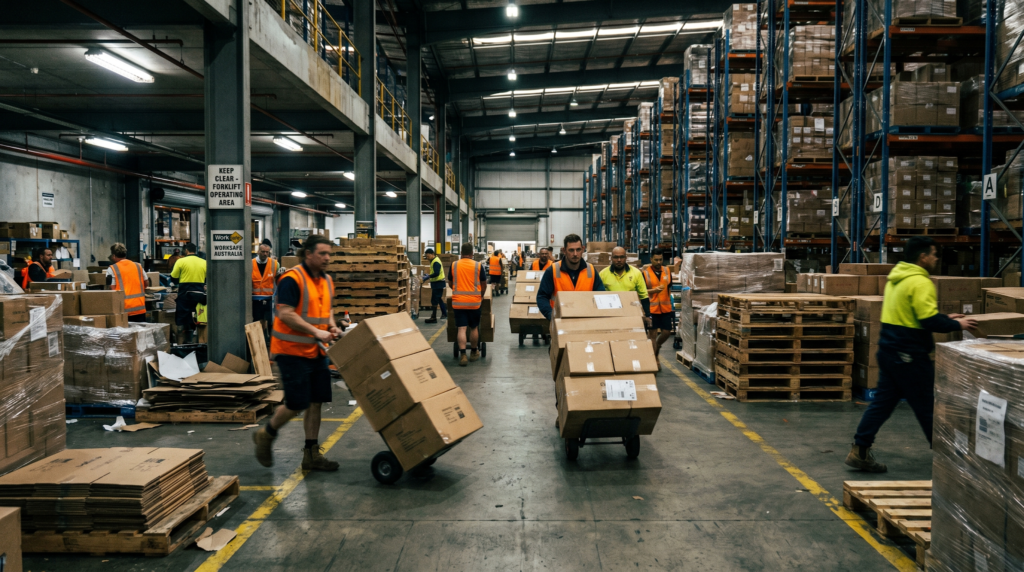
If you're running a distribution centre or warehouse in Australia and your operation still relies heavily on manual...
Read More
Warehouse capacity problems almost never arrive as a single dramatic event....
Read More