Selective vs High Density Racking: Which System Does Your Warehouse Actually Need?
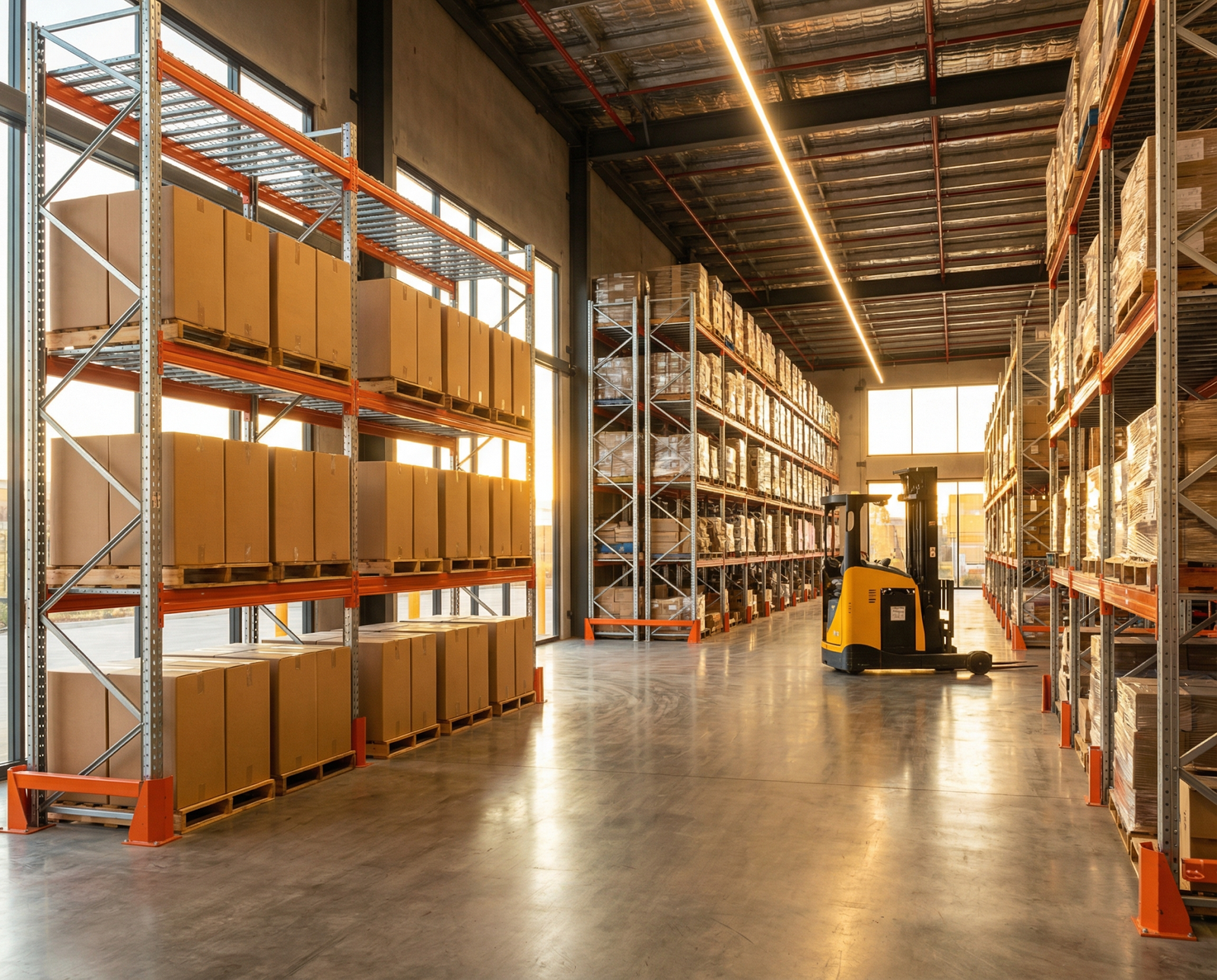
Selective pallet racking gives you direct access to every pallet and suits high-SKU, fast-moving operations. High density racking sacrifices some accessibility to pack significantly more pallets into the same floor space — best for low-SKU, high-volume storage. Most Sydney warehouses benefit from a combination of both, zoned by stock type.
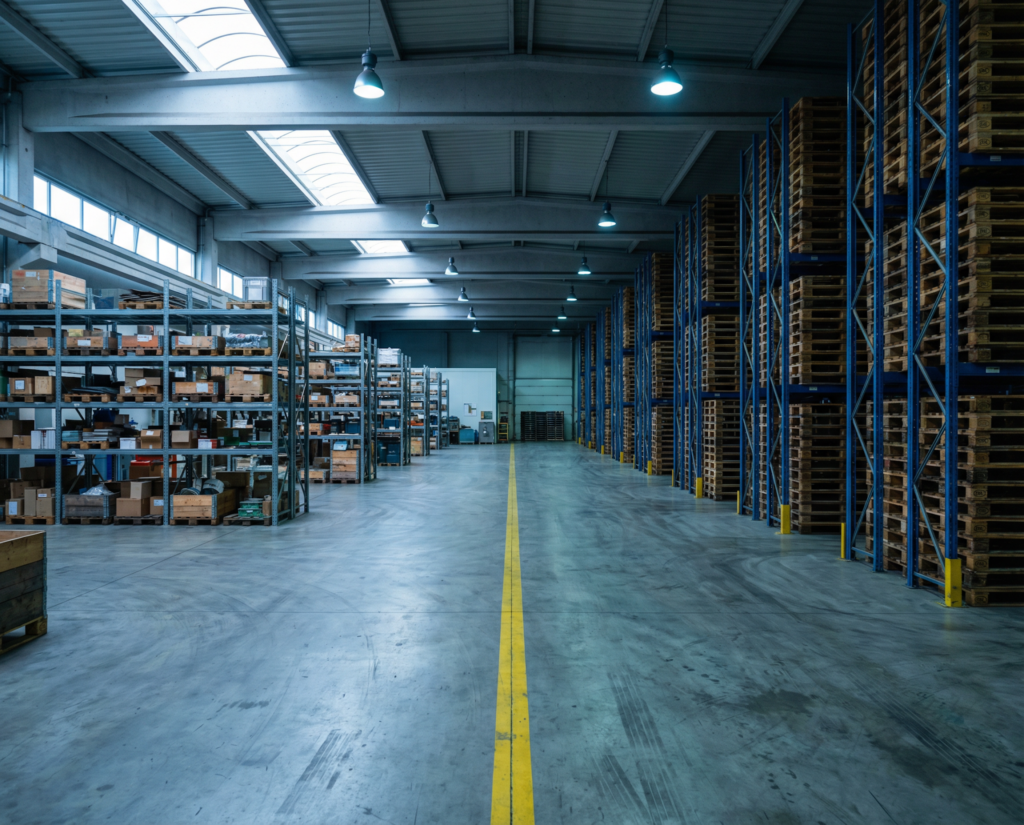
Selective pallet racking stores one pallet deep per lane, with every pallet directly accessible from the main aisle. High density racking stores pallets two or more deep — and in some configurations, many deep — using fewer aisles to squeeze more storage positions from the same floor footprint.
The tradeoff is simple: access vs. density. Selective gives you more flexibility. High density gives you more storage.
Neither is universally better. The right answer depends on your SKU count, stock rotation requirements, handling equipment, and the cost of your warehouse floor space.
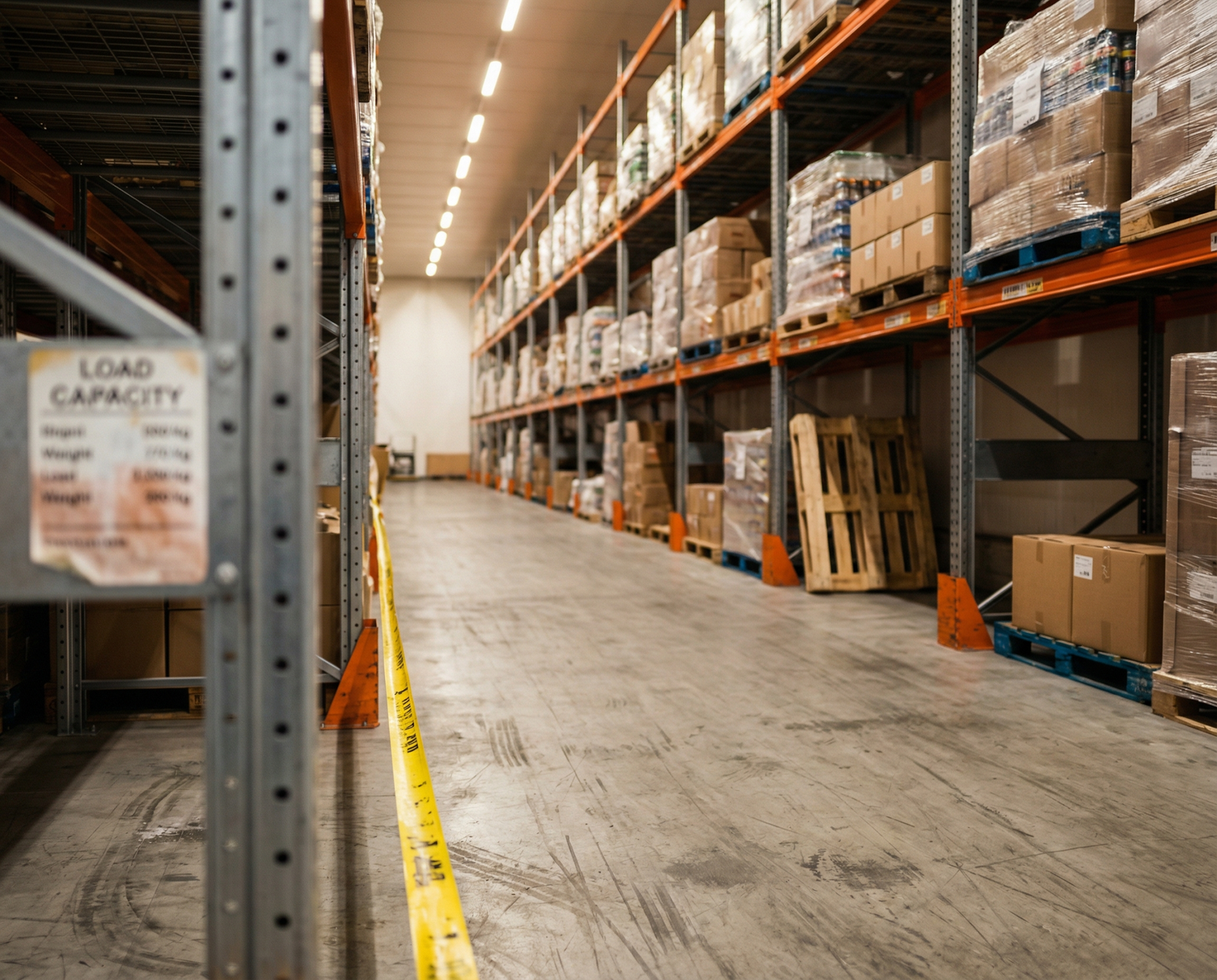
Selective pallet racking is the most widely used warehouse storage system in Australia. Each pallet occupies its own lane and is directly accessible from the main aisle — no stock needs to be moved to reach any individual pallet.
How it works:
The Dexion Speedlock® platform:
Dexion Liverpool’s selective racking is built on the Dexion Speedlock® system — an Australian-compliant, high-capacity structure engineered for long-term durability in demanding warehouse environments. Beam reconfiguration is fast, making it easy to adapt as your stock profile changes.
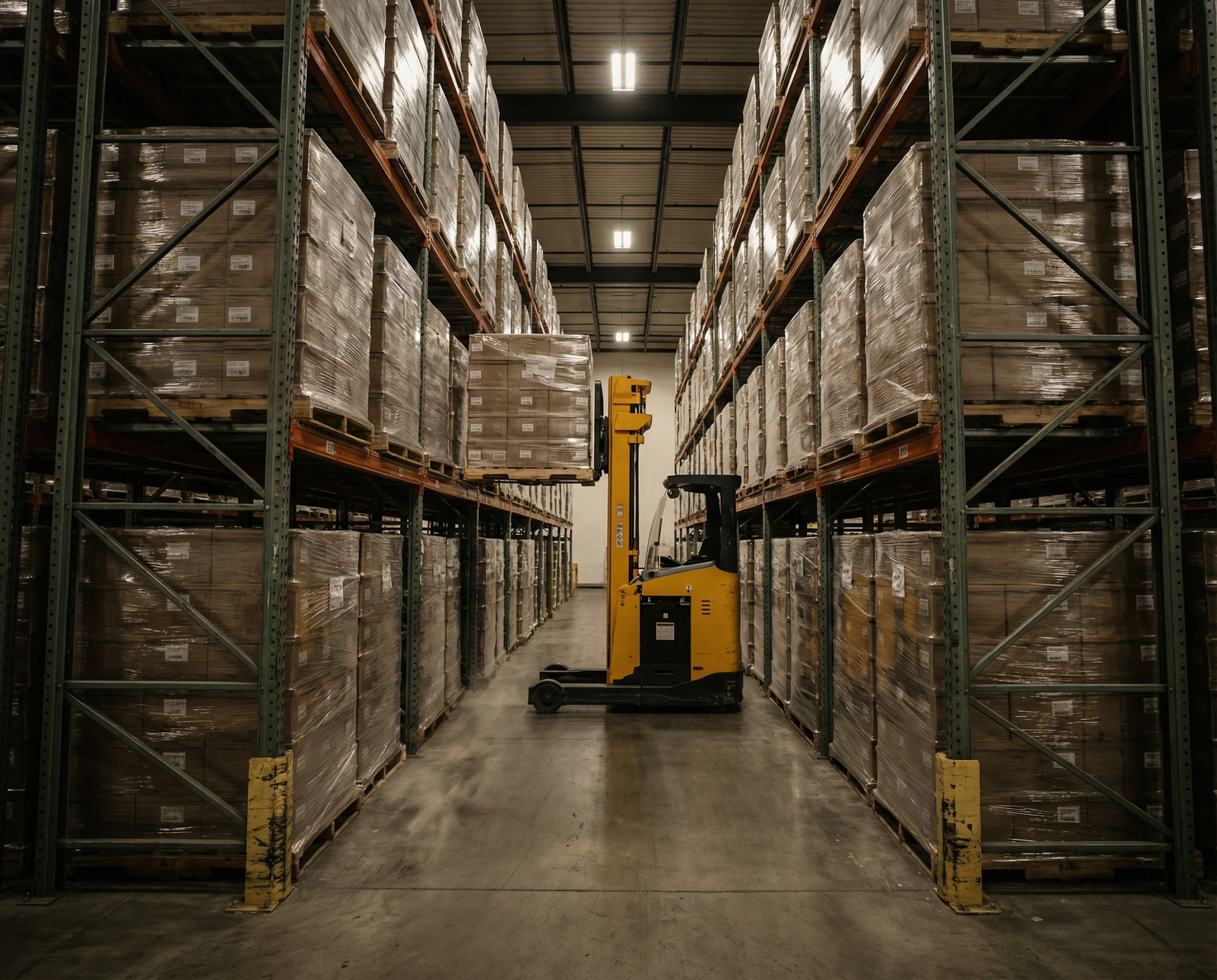
High density racking is a category of storage systems that maximises pallet positions per square metre by reducing aisle space. Where selective racking typically dedicates 50–60% of floor area to aisles, high density systems can push usable storage capacity to 70–85% of the same footprint.
Dexion Liverpool supplies four high density configurations:
Double Deep Racking
Pallets stored two-deep behind each other. A single aisle serves four pallet positions. Requires a pantograph reach truck or extended forks. Ideal for operations with two or more pallets of the same SKU in each location.
Narrow Aisle Racking (VNA)
Standard selective layout with aisles as narrow as 1.6 metres. Requires specialist narrow aisle trucks. Best suited to tall facilities where maximising vertical cubic metres is the priority.
Push Back Racking
Pallets load from the front and ride inclined rails backward as new stock is added. Operates on a Last-In, First-Out (LIFO) basis. Supports 2–5 pallets per lane depth.
HDS Shuttle System
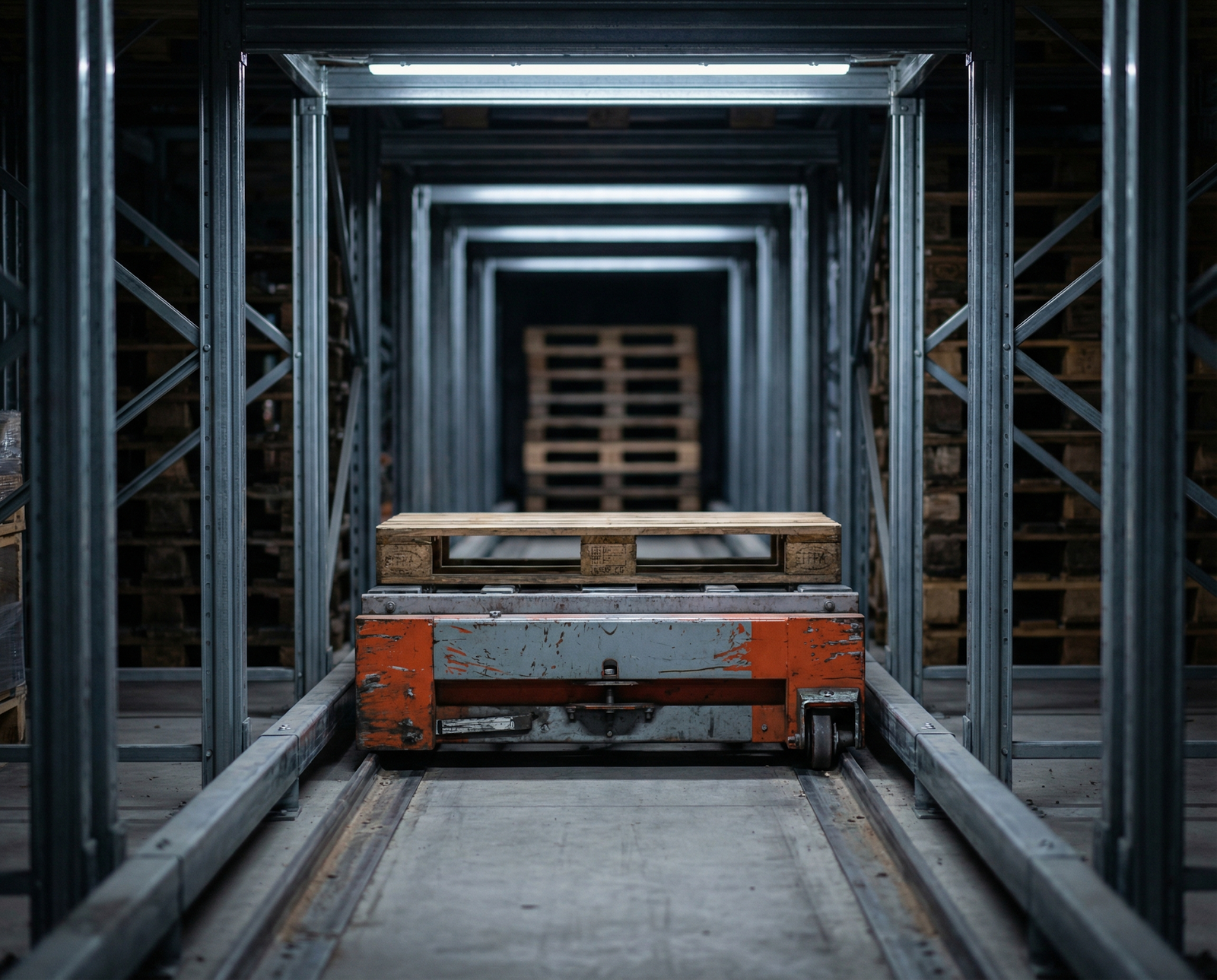
A semi-automated solution where a battery-powered shuttle carrier moves pallets deep into racking channels. Provides up to 25% more storage space than conventional high density alternatives, with significantly improved operator safety by eliminating deep forklift intrusion into racking lanes.
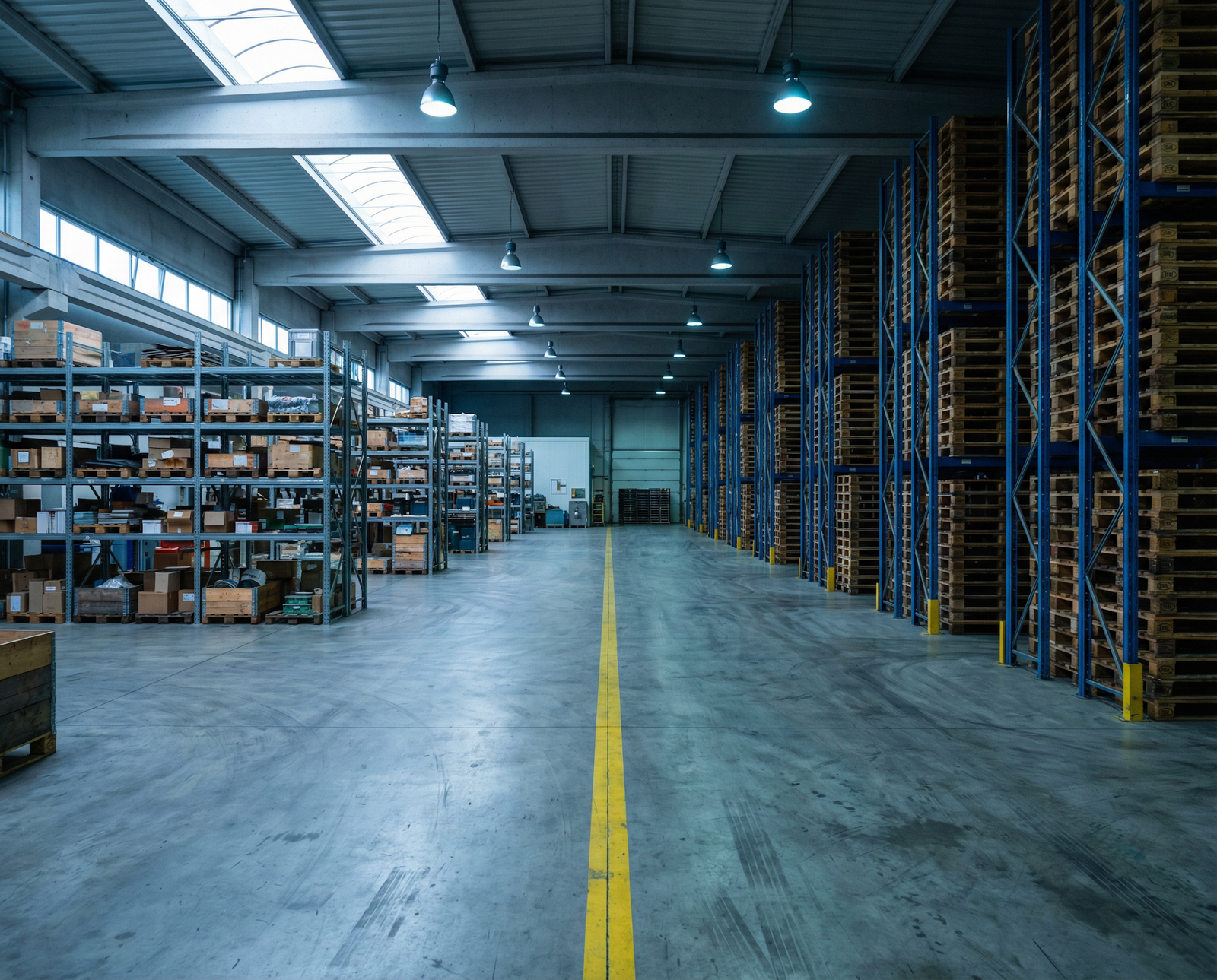
| Factor | Selective Racking | High Density Racking |
|---|---|---|
| Pallet accessibility | 100% direct access | Limited — depends on configuration |
| Storage density | Moderate | High (up to 85% floor utilisation) |
| SKU variety | High-mix friendly | Best for low-SKU, high-volume |
| Stock rotation | FIFO — simple | LIFO standard (except live storage) |
| Equipment required | Standard forklifts | Specialist trucks or automation |
| Capital cost | Lower upfront | Higher upfront |
| Reconfiguration flexibility | Very high | Lower |
| Setup complexity | Simple | Moderate to complex |
| Best suited to | 3PL, e-commerce, retail, FMCG | Cold storage, bulk goods, single-SKU lines |
Choose selective racking when your operation has any of the following characteristics:
You manage a high number of SKUs.
If you’re handling hundreds or thousands of product lines — common in e-commerce fulfilment, retail distribution, or 3PL operations — you need direct access to every pallet. Burying stock two or three deep creates picking bottlenecks and degrades order accuracy.
You need fast, flexible stock rotation.
Selective racking supports genuine FIFO rotation. Your team can see every slot, fill every gap, and pull any pallet on demand. For operations where freshness, date coding, or lot control matter, this is essential.
Your business is growing or changing.
Selective racking reconfigures quickly as your product range or pallet heights shift. For businesses in growth mode — especially across South West Sydney’s expanding logistics and e-commerce precincts — selective racking stays relevant as your operation evolves.
You run standard handling equipment.
No specialist vehicles means lower ongoing operational cost and no dependency on specific equipment availability or operator certification.
High density racking makes sense when:
You store large volumes of the same SKU.
Bulk beverages, building materials, FMCG seasonal lines, automotive parts in single configurations — when you move the same product at volume, you don’t need constant individual pallet access. You need density.
Floor space is your primary constraint.
Sydney industrial property — particularly in high-demand corridors like the M5 South West and the broader Western Sydney logistics zone — carries a real cost per square metre. When expansion isn’t viable, increasing density is the most direct lever available.
You operate a refrigerated or controlled environment.
Cold storage construction cost per cubic metre is significant. High density systems extract maximum pallet positions from expensive conditioned space, improving the return on that infrastructure investment.
Your throughput is predictable and batched.
If you despatch in bulk runs rather than individual pick-and-pack, the limited individual access of high density systems won’t slow you down.
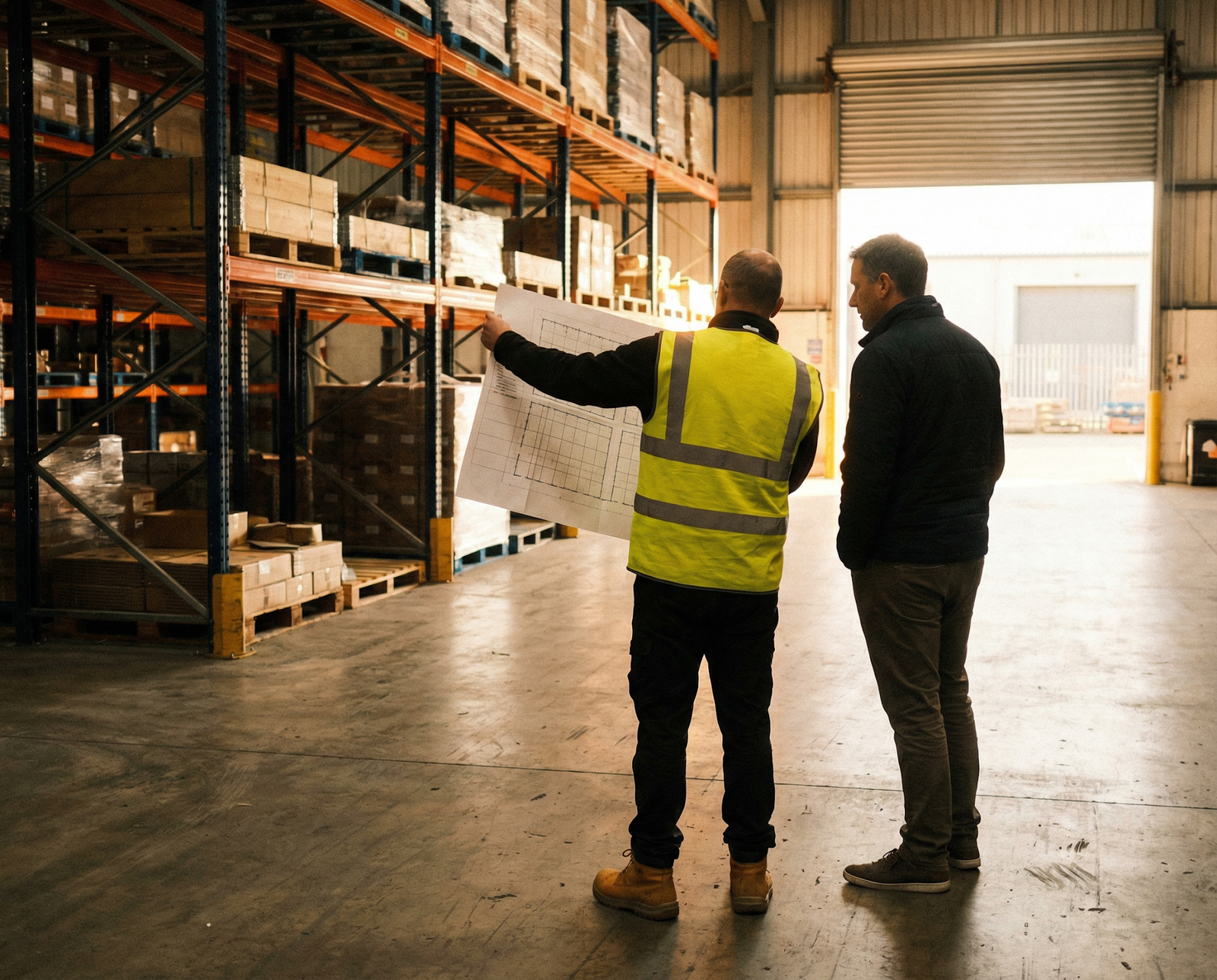
Yes — and for most medium to large warehouse operations across Sydney and NSW, a hybrid layout is the most cost-effective approach.
A typical hybrid configuration might look like:
Zoning the floor correctly from the start — matching the racking system to the stock type in each area — is where expert warehouse design adds measurable value. It’s also where getting it wrong is most expensive to fix.
Selective racking: Lower upfront capital, but wider aisles and single-deep storage can mean you’re underutilising your floor area. If your site carries high land or lease costs, the “cheaper” system may cost more over time.
High density racking: Higher initial investment plus ongoing dependency on specialist equipment. Factor in operator training, equipment maintenance, and reconfiguration cost if your stock profile changes materially.
The right question isn’t “which system is cheaper?” — it’s “which system delivers the lowest cost per pallet position over five years, given my specific operation?”
That’s a calculation worth doing before you sign off on either option.
Dexion Liverpool has been designing and installing warehouse storage solutions across Sydney and NSW since 1995. Based at Ingleburn in South West Sydney, the team specialises in helping warehouse operators — from 3PL providers and FMCG distributors to e-commerce retailers and cold storage operators — get more from their available floor space.
Every installation is compliant with AS 4084:2023 (the Australian Standard for steel storage racking) and relevant WorkSafe NSW requirements. Dexion Liverpool also provides ongoing compliance inspections and after-sales service to keep systems safe and productive long after installation.
Dexion Liverpool’s design team works with warehouse operators across Sydney, South West Sydney, and regional NSW to recommend the right storage system — not the most expensive one.
Contact Dexion Liverpool for a free assessment and design consultation.
What is the main difference between selective and high density pallet racking?
Selective racking stores one pallet deep per lane and gives direct access to every pallet. High density racking stores pallets multiple layers deep to increase storage capacity, at the cost of some individual accessibility.
Which racking system is better for a Sydney warehouse?
It depends on your SKU count and throughput pattern. Sydney warehouses with high product variety and fast-moving stock typically perform better with selective racking. Those with predictable, high-volume, low-SKU lines benefit from high density. Many operations in South West Sydney run a hybrid of both.
Is high density racking more expensive than selective racking?
Yes, high density systems carry a higher upfront cost and usually require specialist handling equipment. However, they can deliver a lower cost per pallet position in space-constrained sites where floor area is at a premium.
What is double deep racking and when should I use it?
Double deep racking stores pallets two deep behind each other, requiring extended forks or a pantograph reach truck. It’s a cost-effective entry point into high density storage, suited to operations where you hold two or more pallets of the same SKU in each location.
What is the HDS Shuttle system?
The Dexion HDS Shuttle is a semi-automated high density system where a battery-powered carrier moves pallets deep into racking channels. It provides up to 25% more storage capacity than conventional high density alternatives and improves safety by reducing forklift intrusion into racking lanes.
Does Dexion Liverpool install racking in areas outside Liverpool?
Yes. Dexion Liverpool services warehouse operators across the greater Sydney metropolitan area, including Western Sydney, South West Sydney, the M5 and M7 corridors, and regional NSW locations.
How do I know which racking system is right for my warehouse?
The best starting point is a warehouse storage assessment. Dexion Liverpool’s design team analyses your floor plan, stock profile, and handling equipment to model the most cost-effective configuration for your specific operation.
Is pallet racking in Australia required to meet any safety standards?
Yes. All pallet racking systems installed in Australia must comply with AS 4084:2023 — the Australian Standard for steel storage racking. Dexion Liverpool installs to this standard and provides periodic compliance inspections to maintain ongoing certification.
Warehouse capacity problems almost never arrive as a single dramatic event....
Read More
If your warehouse is running out of floor space, your pick teams are walking kilometres every...
Read More
Picture your warehouse floor right now. A picker gets an order, grabs a trolley, and walks...
Read More